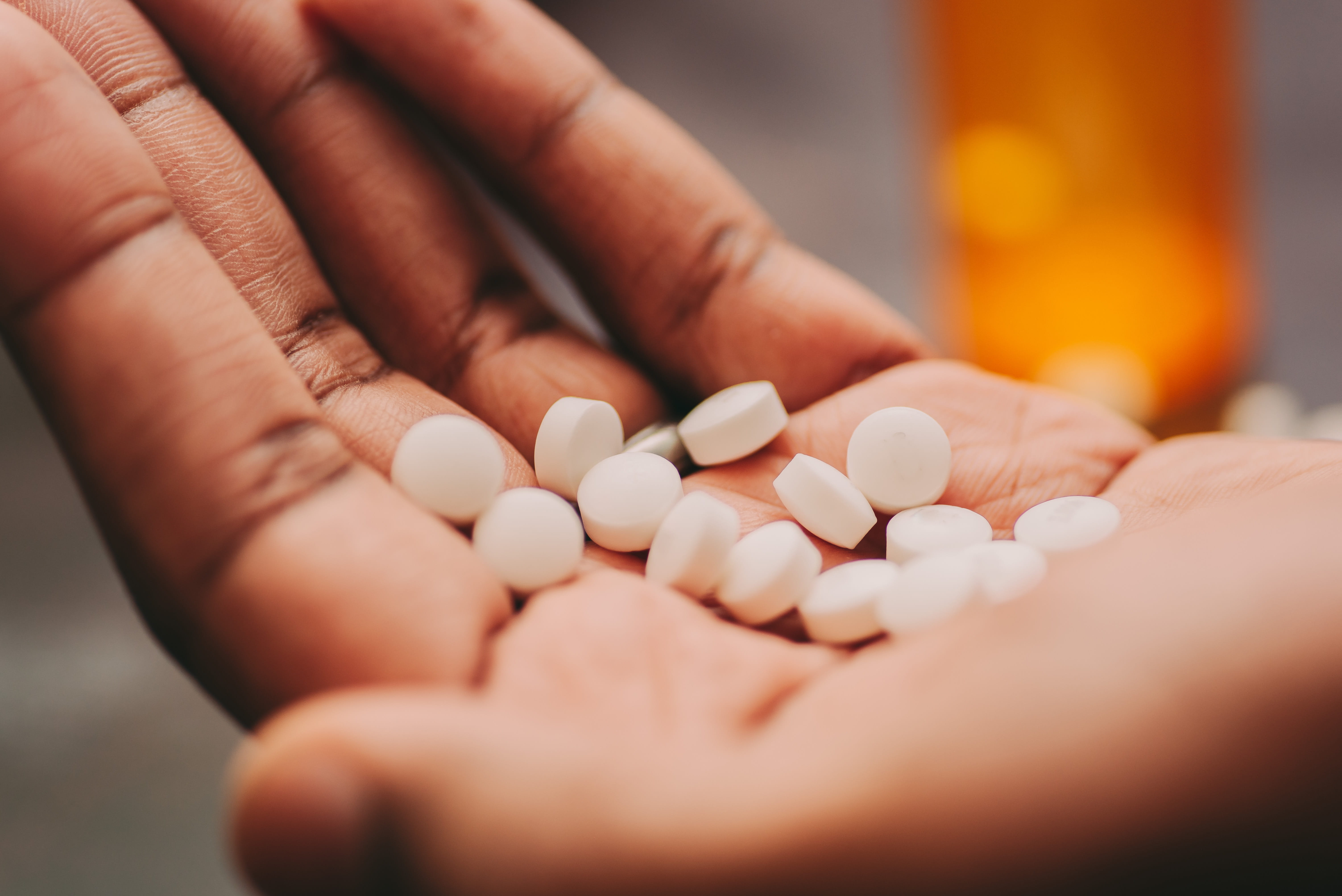
Buy Muscle Pain Relievers in France: A Complete Guide to Finding Relief
Muscle pain, whether from extreme exercise, stress, bad posture, or the physical needs of day-to-day life, affects millions of individuals across France and around the globe. For those residing in or checking out France, understanding how to efficiently buy muscle pain relievers needs navigating a healthcare system that might vary significantly from what you may discover in other nations. France boasts a robust drug store network and a widearray of both prescription and over-the-counter choices for managing muscle pain, making it relatively simple to discover appropriate relief when you know where to look and what to request for.
The French health care approach to muscle pain relief integrates traditional pharmaceutical solutions with a strong tradition of natural solutions, providing consumers a diverse toolkit for resolving their discomfort. Whether you're dealing with periodic tension from desk work, post-workout discomfort, or chronic muscle conditions, this guide will stroll you through everything you require to know about acquiring muscle painkiller in France, from understanding the various categories of medication readily available to useful advice on finding the right items for your specific requirements.
Comprehending Your Options: Types of Muscle Pain Relievers Available
When it comes to dealing with muscle pain, the French market provides several distinct classifications of relief, each targeting discomfort through different systems. Comprehending these classifications will assist you make notified choices when picking a product.
Topical Treatments represent among the most popular categories for localized muscle pain. These include gels, creams, and patches that are used directly to the skin over the affected area. Products in this classification typically include ingredients such as diclofenac, ibuprofen, or natural alternatives like arnica and necessary oils. Topical treatments are especially preferred in France since they provide medication straight to the source of pain while minimizing systemic side impacts. The French drug store racks are equipped with brands like Voltaren Gel, which contains diclofenac, along with various alternatives featuring natural components that attract those looking for gentler options.
Oral Analgesics form the foundation of muscle pain management for lots of people. Non-steroidal anti-inflammatory drugs (NSAIDs) like ibuprofen (marketed as Nurofen, Advil, or generic ibuprofen), naproxen (called Naprosyne in France), and diclofenac are commonly readily available and extremely reliable for reducing both pain and swelling. Paracetamol, while not an anti-inflammatory, stays France's most frequently advised painkiller for conditions where swelling is not the primary issue. For more severe pain, physicians may prescribe muscle relaxants such as thiocolchicoside or baclofen, though these require a prescription.
Natural Alternatives enjoy specific prominence in the French method to wellness. Drug stores frequently devote considerable rack space to homeopathic treatments, organic supplements, and aromatherapy products designed to deal with muscle pain. Arnica montana, provided in pellet form or as a topical gel, stands as possibly the most acknowledged natural choice for muscle pain and bruising. Magnesium supplements are regularly recommended for muscle tension, particularly for conditions related to stress or workout. Devotees of natural solutions will discover that French pharmacists are typically well-informed about alternative options and can supply assistance on complementary approaches.
Where to Purchase Muscle Pain Relievers in France
The French retail landscape offers several channels for obtaining muscle pain relievers, each with its own advantages and factors to consider that are worth understanding before you make your purchase.
Pharmacies (Officines) stay the foundation of medication distribution in France and must be your very first stop when trying to find muscle pain relief. French drug stores are widely staffed by experienced pharmacists who can provide personalized recommendations, evaluate your symptoms, and advise proper products. By law, a pharmacist should be present throughout all pharmacy operating hours, guaranteeing you have access to expert assistance. Many pharmacists speak English, especially in traveler locations and major cities, so don't think twice to ask if communication is an issue. Independent drug stores are ubiquitous throughout France, and big chain pharmacies likePharmacie Lafayette and Pharmacie du drugstore likewise run in major metropolitan centers, frequently with prolonged hours and multilingual personnel.
Supermarkets and Hypermarkets have actually broadened their pharmaceutical sections in the last few years, using a growing choice of over the counter muscle pain reducers. Significant sellers including Carrefour, Leclerc, Intermarché, and Auchan usually stockNSAIDs, paracetamol, and topical treatments in their health and health aisles. While these retail environments offer convenience and competitive rates, they lack the professional assessment available at drug stores. For uncomplicated purchases of familiar items, however, grocery stores can offer an affordable and efficient alternative.
Online Pharmacies have actually grown progressively popular, especially following the global pandemic's shift towards e-commerce. Accredited online drug stores running in France use the benefit of home shipment while keeping the regulatory requirements applied to brick-and-mortar establishments. When acquiring online, validate that the seller shows the main French pharmaceutical regulative body (ANSM) authorization, as this guarantees item credibility and compliance with French policies. Platforms like Pharmacyou and Santédiscount supply comprehensive brochures and competitive prices, though shipment times need to be factored into your preparation if you need relief quickly.
Regulations and Prescription Requirements
France preserves particular policies governing the sale of muscle pain reducers that differ from those in lots of other nations, and comprehending these guidelines will improve your getting experience.
Non-prescription medications consisting of basic formulations of ibuprofen, naproxen, paracetamol, and the majority of topical painkiller are easily available without prescription at drug stores and getting involved supermarkets. Nevertheless, particular stronger formulas and all muscle relaxant medications need a legitimate prescription from a French-licensed physician. This prescription-only classification includes higher-strength NSAIDs, mix pain reducers consisting of codeine, and medications like carisoprodol or tizanidine that act straight on muscle tone.
For visitors from outdoors France, it's worth keeping in mind that medications offered by prescription in your house nation may be offered over-the-counter in France, and vice versa. EU citizens can use the European Health Insurance Card (EHIC) or its post-Brexit UK equivalent (GHIC) for prescription medications, while non-EU visitors must guarantee they have appropriate travel insurance that covers pharmaceutical purchases. Bringing a copy of your regular prescriptions, equated into French if possible, can help with discussions with French doctors ought to you need a prescription during your stay.
Popular Muscle Pain Relievers in France: A Comparison
The following table compares some of the most commonly purchased muscle pain relievers in France, including their active components, normal applications, and legal status:
| Product Name | Active Ingredient(s) | Primary Use | Legal Status |
|---|---|---|---|
| Nurofen/ Advil | Ibuprofen 200-400mg | General pain, swelling | OTC |
| Doliprane | Paracetamol 500-1000mg | Pain relief, fever | OTC |
| Voltaren Gel | Diclofenac 1% | Localized joint/muscle pain | OTC |
| Naprosyne | Naproxen 500mg | Inflammation, pain | OTC |
| Spasfon | Phloroglucinol | Muscle convulsions | OTC |
| Myoplex | Thiocolchicoside | Muscle relaxant | Prescription |
| arnica Gel | arnica montana | Bruising, muscle pain | OTC |
| Baume du Tigre | Herbal blend | Small aches, stress | OTC |
Natural Remedies and Alternative Approaches
France's cultural affinity for natural health services suggests that drug stores and specialized shops use comprehensive options for those choosing non-pharmaceutical approaches to muscle pain management. Herbal supplements including devil's claw (harpagophytum), a plant generally used for joint and muscle pain, are plainly displayed in pharmacy supplement sections. White willow bark, containing a natural precursor to aspirin, attract those looking for plant-based anti-inflammatory results. Boswellia extract, originated from Indian frankincense, has acquired popularity for its supposed ability to support joint health and reduce muscular tension.
Magnesium shortage has actually been connected to muscle cramps and tension, making magnesium supplements a commonsense option for those experiencing relentless muscular pain. French drug stores provide magnesium in numerous forms including magnesium citrate, magnesium glycinate, and topical magnesium oil sprays that absorb straight through the skin. Potassium and calcium supplements similarly address mineral imbalances that can add to muscle problems, though supplementation ought to always be discussed with a healthcare professional to prevent unintended interactions.
Topical vital oils form another pillar of France's natural pain relief custom. Formulations featuring peppermint oil, eucalyptus, wintergreen, and lavender are rubbed into tense muscles to provide cooling or warming sensations that distract from discomfort while potentially minimizing swelling. Numerous French drug stores now employ aromatherapists or maintain comprehensive essential oil choices together with their traditional medications, showing the mainstream acceptance of integrative approaches within French healthcare culture.
Tips for Choosing the Right Product
Selecting a proper muscle painkiller needs factor to consider of several factors that will help you attain reliable relief while minimizing potential adverse effects or complications. Initially, properly recognize the nature and area of your pain. Localized pain responding well to topical treatments might not need oral medication, while extensive pain or pain involving deeper structures might take advantage of systemic techniques. Think about any existing health conditions that could affect medication safety, as NSAIDs bring threats for people with specific cardiovascular conditions, kidney issues, or gastrointestinal sensitivities. Evaluation any other medications you are taking, as numerous painkiller engage with blood thinners, antidepressants, and other common pharmaceuticals.
The pharmacists staffing French officines are genuinely important resources for browsing these factors to consider. When describing your signs, supplying information about the pain's start, area, strength, and any aggravating or relieving factors will allow them to make more targeted recommendations. Don't be reluctant to inquire about possible side effects, proper dosing schedules, or how long you ought to use a specific product before seeking medical examination. French drug store culture encourages these discussions and views pharmacist assessments as a vital component of accountable self-care.
Frequently Asked Questions
Do I need a prescription for muscle pain relievers in France?
Most common muscle pain reducers consisting of ibuprofen, naproxen, paracetamol, and topical diclofenac gel are available without prescription at French drug stores and licensed merchants. However, more powerful NSAIDs, muscle relaxants like thiocolchicoside, and mix pain relievers including codeine require a prescription from a French-licensed physician. EU people can obtain prescriptions that are legitimate throughout member states, while visitors from outside the EU ought to consult a French physician if they require prescription medications.
Are French pharmacies equipped to assist travelers with English communication?
Yes, especially in significant cities, traveler destinations, and areas with considerable worldwide visitor populations. Lots of French pharmacists have studied English as part of their professional training, and bigger pharmacies in tourist locations often employ staff specifically to help English-speaking clients. When going to a drug store, plainly interacting your signs and requirements will assist guarantee you receive appropriate guidance. Written notes describing your condition or images of packaging for medications you utilize in the house can facilitate interaction when language barriers exist.
Can I acquire muscle painkiller at French supermarkets?
Major French supermarket chains including Carrefour, Leclerc, and Intermarché stock a selection of over the counter painkiller including NSAIDs and paracetamol. These merchants have broadened their pharmaceutical product offerings recently, though their choice is normally more minimal than what you'll find at dedicated pharmacies. For specialized items, natural remedies, or pharmacist consultation, checking out a drug store remains the better choice. Supermarkets are typically convenient for purchasing familiar products at competitive prices.
What natural options are most popular in France for muscle pain?
Arnica preparations, both topical gels and oral pellets, are among the most commonly used natural remedies for muscle pain in France. Magnesium supplements are commonly suggested for muscle tension and cramping, while devil's claw and boswellia extracts have actually established followings for addressing joint and muscular discomfort. French pharmacies preserve extensive natural item sections and pharmacists are generally educated about alternative options, making it easy to check out natural methods along with standard treatments.
How do I find an open drug store in France outside normal hours?
Pharmacies operate on a turning duty system guaranteeing 24-hour access to vital medications. To locate an open drug store, search for the responsibility schedule (pharmacie de garde) published in the windows of closed drug stores, inspect local community sites, or call the dedicated hotline for your region. In Paris and major cities, particular pharmacies maintain 24-hour service. Healthcare facility drug stores can also supply emergency medication gain access to outside routine pharmacy hours. Bear in mind that task pharmacies might charge nominal emergency situation service charges outside regular operating hours.
France uses a well-developed infrastructure for buying muscle pain relievers, combining the accessibility of over the counter medications with the specialist assistance offered through the country's comprehensive drug store network. Whether you prefer traditional pharmaceuticals, natural treatments, or some combination of methods, you'll discover proper options easily available throughout the country. Medic France to effective self-care lies in properly evaluating your needs, comprehending the distinctions between medication classifications, and taking advantage of the assessment services that French drug stores offer.
By familiarizing yourself with the product classifications, retail options, and regulative structure outlined in this guide, you can approach your muscle pain management confidently, making informed decisions that promote efficient relief while protecting your general health. The next time muscle discomfort interrupts your prepare for checking out France or just tackling your day-to-day life, you'll understand exactly where to turn and what to ask for at the pharmacy down the street.